This summer, I had the opportunity to study in Salzburg, Austria. I was interested in Salzburg because of its importance to music history as the birthplace of Wolfgang Amadeus Mozart, arguably the most important composer of the Classical era. During my four weeks there, I took classes in both German and music history. I learned some basic German and had the opportunity to experience music history in the places where it happened.
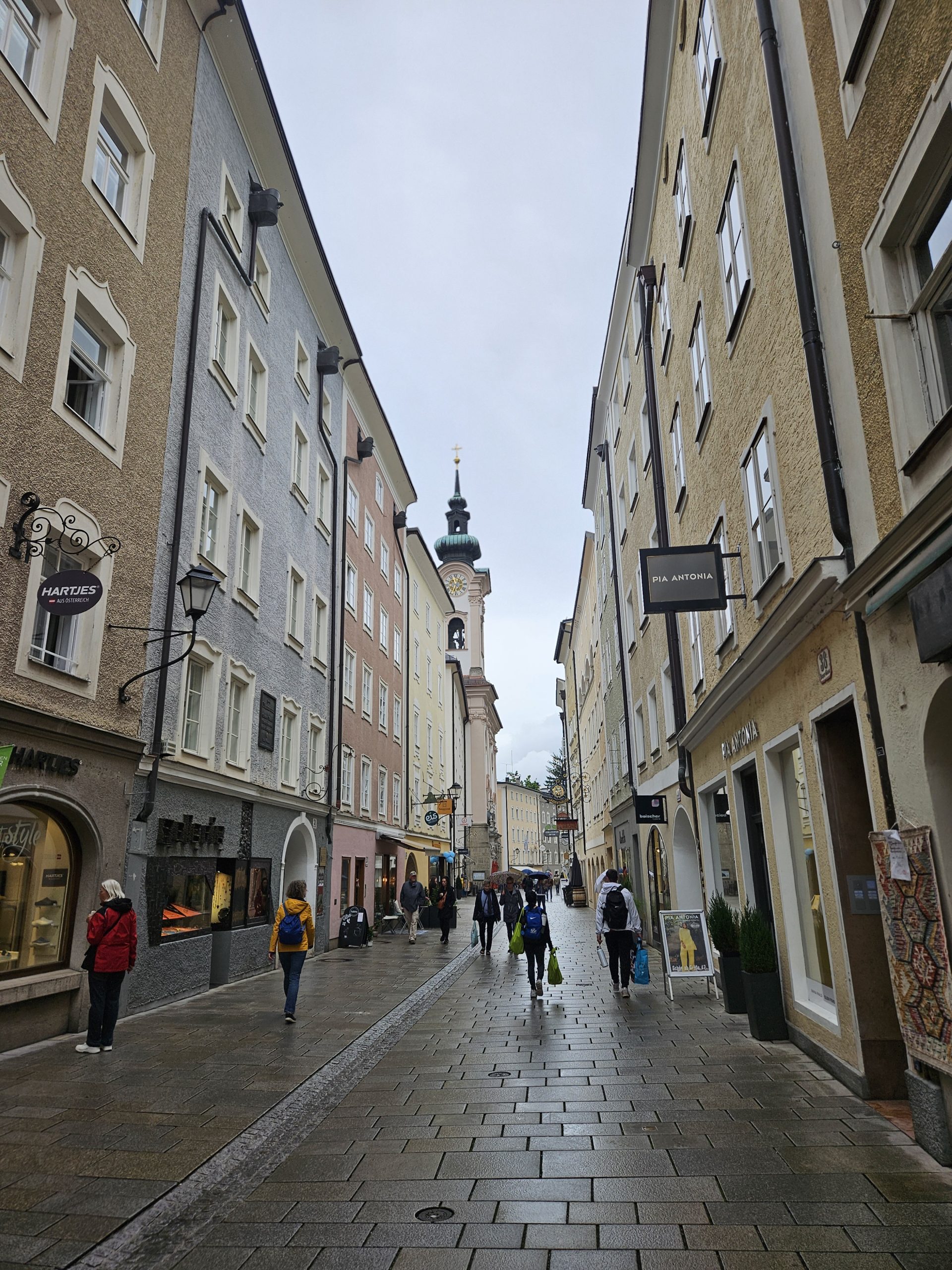
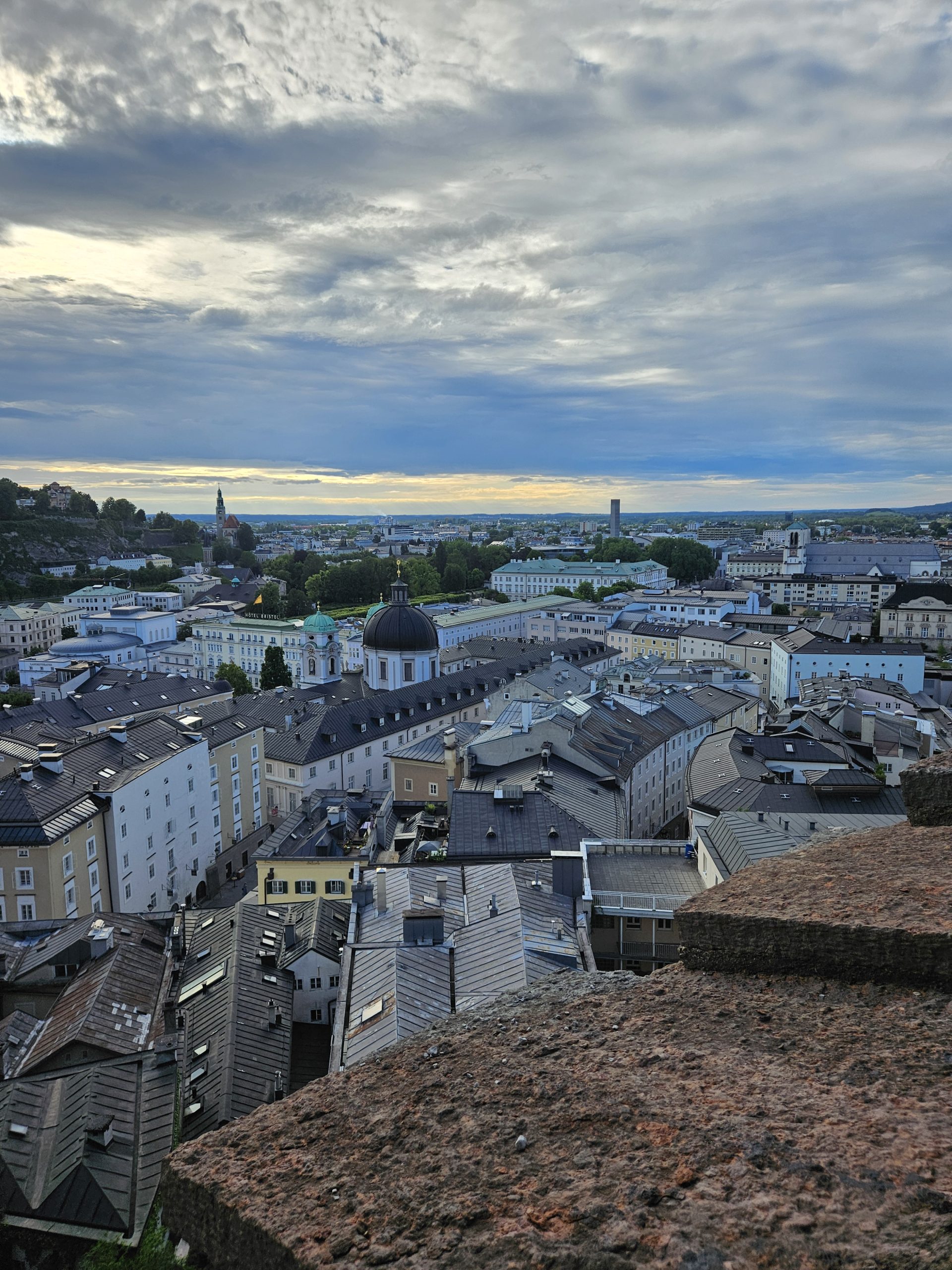
On arriving in Salzburg, I immediately became aware of how different it was from the United States: Baroque architecture, mountains, and the occasional castle in the distance. It was a definite culture shock to be in such a place, but it did not take long for me to appreciate the beauty of the city. It felt antique, yet welcoming at the same time. I had fun simply walking around the city and making note of what I saw. I was also introduced to public transport, which I had only rarely encountered in the past. Taking the bus to and from class felt very different from what I was accustomed to at Wabash, and figuring out bus routes was challenging yet rewarding.
One experience that stood out to me was my visit to the birthplace of Mozart. I was quick to notice that Mozart holds much value to the culture of Salzburg, as there are many locales that bear his name, including plazas and gift shops. Since his death, the site of his birthplace has been converted into a museum housing memorabilia relating to the composer. Being able to see some of the things I was studying in class in person, such as objects relating to Mozart’s family and some of his original sheet music, was something that could not be replicated in a classroom. I learned much about how Mozart lived and how he was perceived historically simply by walking around the museum. Being able to walk through the very place where Mozart’s musical career began was a unique experience that would not have been possible elsewhere.
I also had the opportunity to see a production of one of Mozart’s operas, which was an experience that was completely new to me. I had learned about opera in my past classes, and I have attended several symphonies but seeing a live production of an opera is far different from what I could learn from a textbook or from videos shown in my classes. Seeing a production live gave me an idea of what it may have been like to see one of Mozart’s works during his lifetime. It was loud, humorous, beautiful, and emotional in ways that could not be conveyed in any way other than experiencing it in person. I appreciated seeing a college production in particular, as I have been extensively involved in Wabash productions myself, including playing, singing, and costuming. Seeing this production made me further realize what may be possible for me in the future.
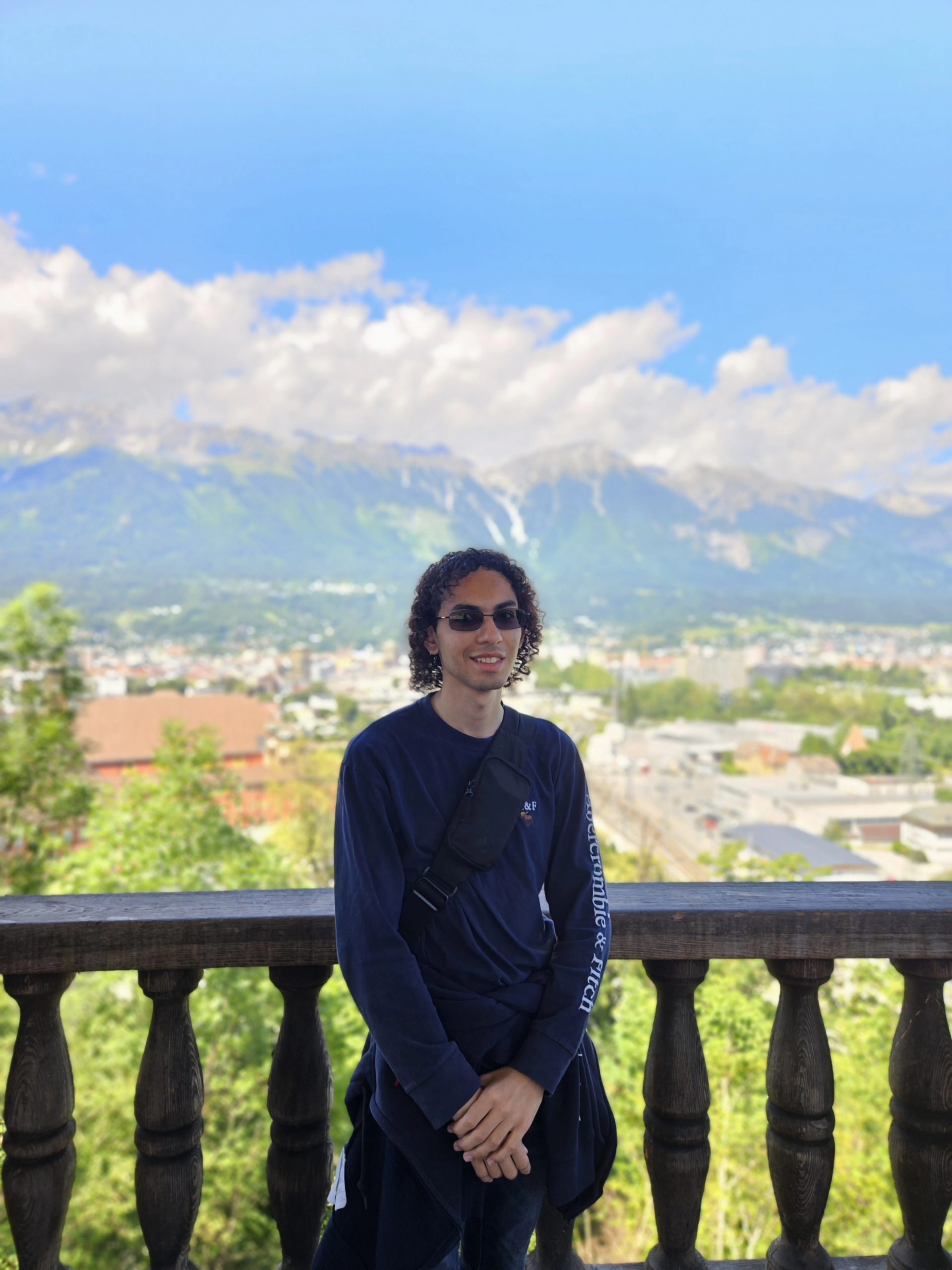
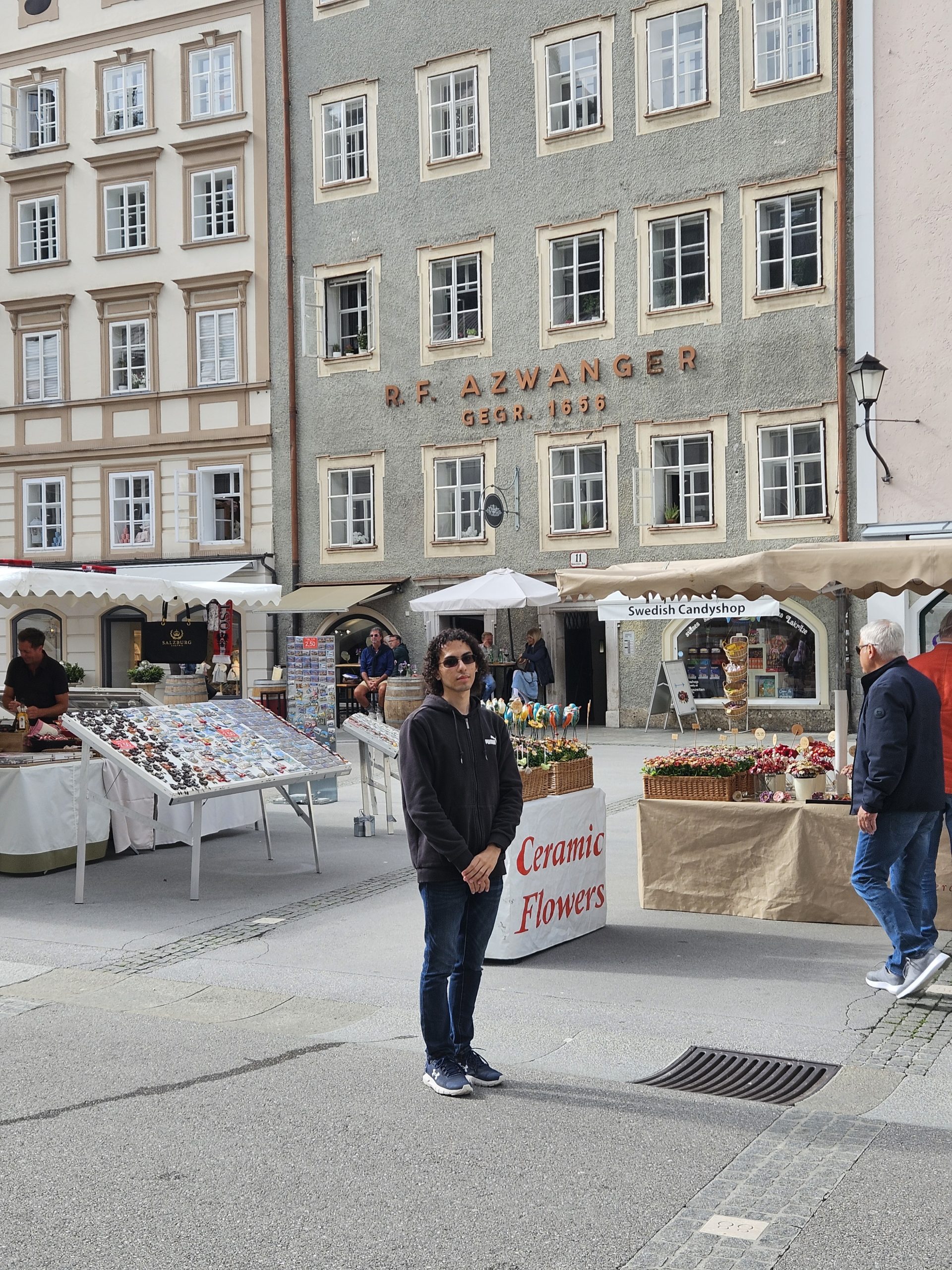
Staying in Salzburg felt at times like walking through the very history that I have been studying since my first year at Wabash. I feel that it has complemented my studies in a way that I could not have imagined when I took my first music class. Beyond academics, the city truly felt like another home during my stay, and I will remain grateful for the time I was able to spend in Salzburg. Below are a few pictures from my time abroad, including a photo of Mozart’s childhood violin and one taken during my excursion to Innsbruck, Austria.
I would like to thank the Rudolph family for giving me this opportunity, as the Rudolph Scholarship made an experience like this financially viable for me. Studying abroad was something I wanted to do since my freshman year, and this scholarship made it possible. My visit to Salzburg was my first time outside of the United States, and this experience will remain close to my heart through my future endeavors.