This summer, I had the opportunity, through the Dill Fund, to work at both the Lew Wallace
Study & Museum and the Montgomery County Historical Society’s Lane Place. This experience
gave me the opportunity to learn more about historical preservation, museum curation, and the work that goes on behind the scenes to preserve history for future generations.
Throughout the summer, I worked on a wide variety of projects that allowed me to develop and hone many different skills. I worked with historical collections, handled artifacts firsthand,
translated what I often considered to be “ancient” cursive that I could hardly read, conducted
research, and helped create educational materials. Each project was different, which made the experience especially interesting and gave me a better understanding of how many different responsibilities are involved in operating a historical organization.
At Lane Place, my favorite responsibility was cataloging the ledger of a man named John McCrae. McCrae was an ordinary working man who lived during the late 1800s and early 1900s and documented much of his life in a personal ledger from the age of eighteen until his death. Reading through his entries was fascinating because it provided a glimpse into the everyday life of someone who was not a famous politician, military leader, or historical figure. His ledger demonstrated that history can be found not only in major events and well-known individuals, but also in the ordinary experiences of people who lived through them.
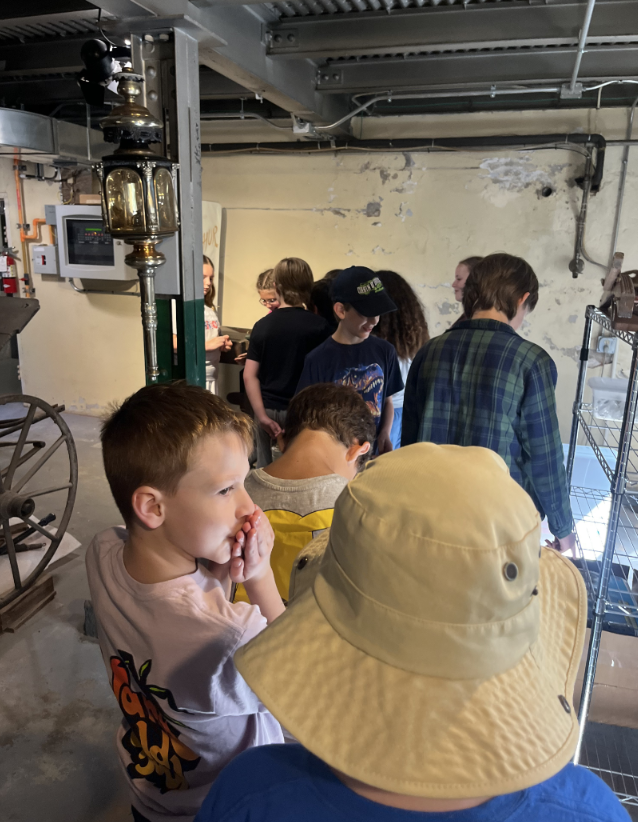
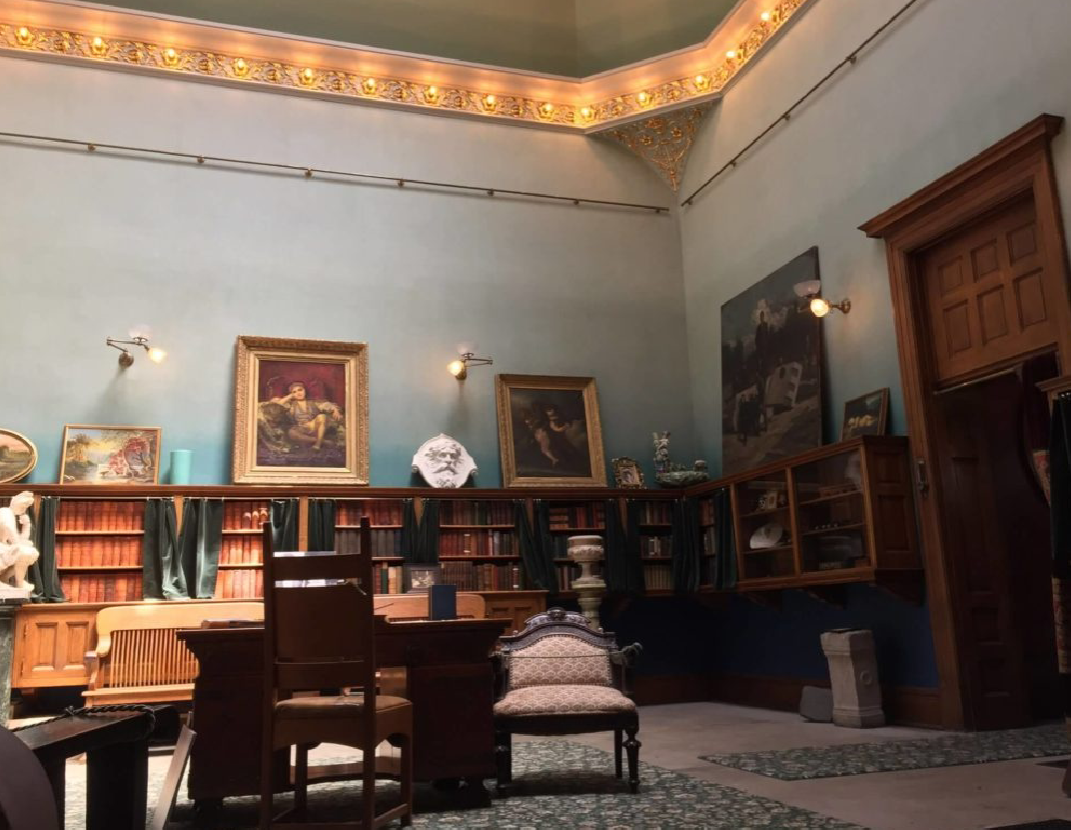
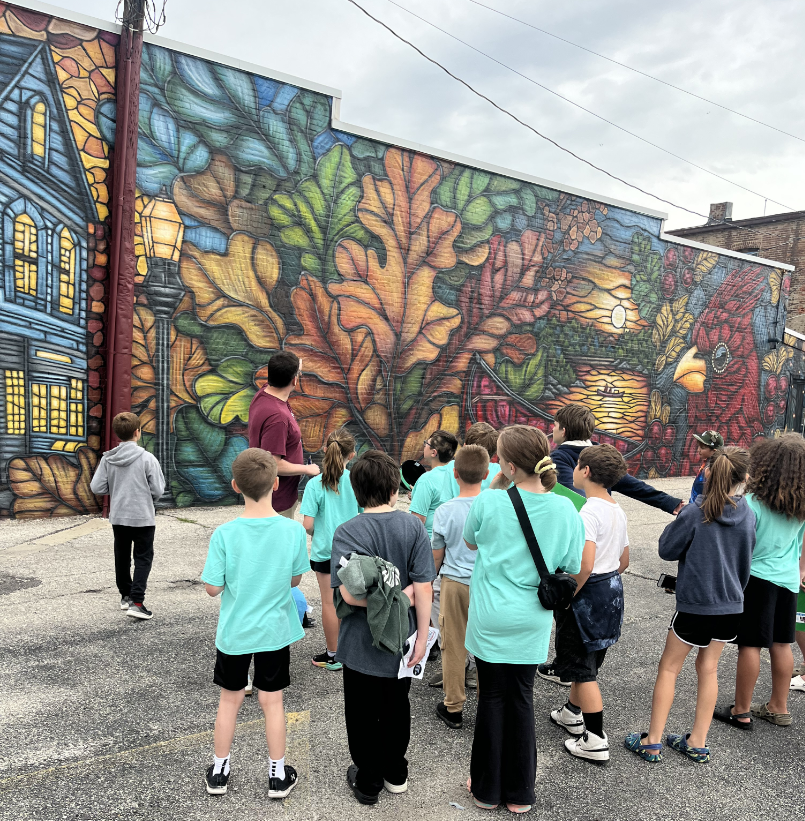
At the Lew Wallace Study & Museum, I took on an equally wide range of responsibilities. Some days involved helping host programs, including an architecture camp for children ages 8–12, while others focused on archival work, artifact preservation, research projects, and creating educational materials for visitors. These experiences allowed me to work with both historical materials and the public.
While I do not plan to pursue a career in the history field, as I intend to attend law school, these internships provided me with useful and practical skills that I will carry forward. More importantly, I developed relationships with members of the Montgomery County community and gained a greater appreciation for the importance of preserving local history. I am extremely grateful for the opportunity provided by the Dill Fund and thoroughly enjoyed my last undergraduate summer.