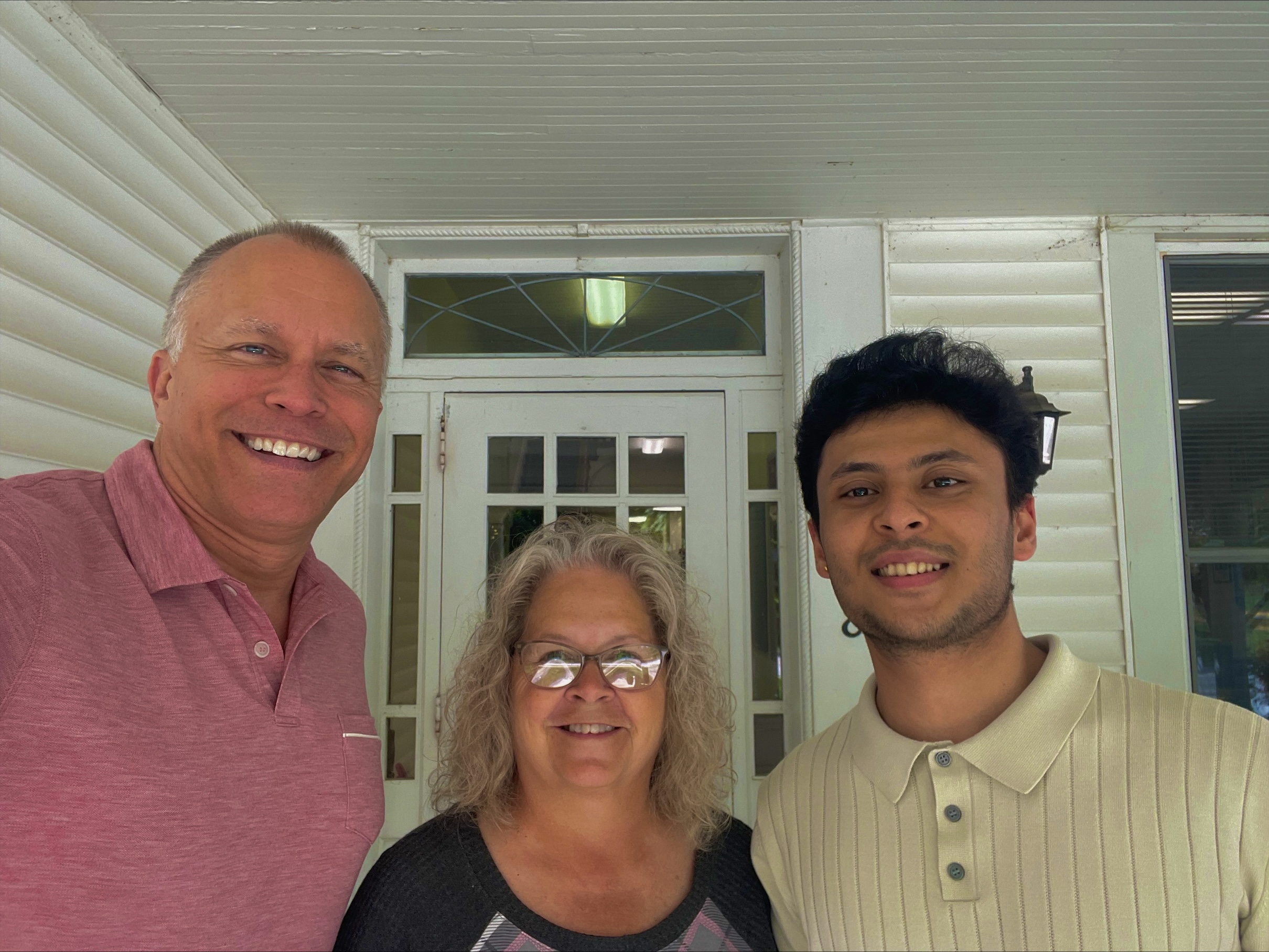
This summer, I had the privilege of interning with the Alumni & Affinity Group Engagement Office within Advancement, thanks to the support of the Wabash Club of Indianapolis. My role combined data analytics and artificial intelligence, giving me the chance to take on projects that required both technical problem-solving and creativity. Whether I was building tools, researching new technologies, or analyzing alumni engagement trends, my focus was always the same: finding smarter and more meaningful ways to strengthen the bond between Wabash and its alumni.
One of the most impactful projects I worked on was the Class Agent AI Letter Generator, a pilot tool created to modernize one of Wabash’s oldest traditions—the class letter. I built the platform from the ground up with role-based access and approval workflows to make it secure and practical for real users. By integrating GPT-4, the system could take structured updates and turn them into warm, Wabash-style content while still preserving the authentic voice of each class agent. I also connected the tool to the alumni directory, allowing agents to generate, edit, and export letters seamlessly, and prepared it for testing with selected class years. What made this project special was the challenge of blending innovation with tradition. Class letters have always carried a deeply personal touch, and my goal was to design a tool that respected that history while making the process easier for volunteers. I am especially grateful to Md Shahrier Islam Arham, who supported me on the backend and helped make the development process much smoother.
Another highlight was building the Wabash Alumni Engagement Dashboard in Tableau. Instead of working through spreadsheets, I designed a multi-tab dashboard—including an Overview, Engagement Insights, Segment View, and a Re-engagement List—that made alumni data easier to explore. With filters for class year, region, fraternity/independent status, and graduation status, the dashboard gave a clearer view of trends and opportunities for outreach. This project helped sharpen
my skills in Tableau and Python.
Besides that, I also worked on several other projects that gave me a broader perspective on alumni engagement. Through the Big Bash Tailored Message Campaign, I used Python to segment alumni into engagement tiers and class-year groups, helping design templates that reflected each group’s history of involvement. This created a framework that can be reused for future events . I also conducted AI-driven fundraising research on Version2.ai’s tools, analyzing case studies from Bucknell, La Salle, San Diego State, and Texas State. Researching AI fundraising tools such as VEO, VSO, and VPGO gave me a deeper understanding of how AI is transforming donor communication with both efficiency and personalization.
In addition, I worked on evaluating AlmaConnect during a short trial period, tracking alumni job updates and news, and contributed to the Deceased Alumni Research Project, where I tested suppression tools like Melissa and verified results with public sources to ensure accuracy in alumni records. These experiences reminded me that engagement requires both innovation and responsibility—finding new ways to connect while also maintaining the trust of alumni. This internship also tied closely to my major in Computer Science and Mathematics. Looking ahead, I plan to pursue a career in data science and analytics, and this summer gave me practical exposure to applying those skills in a real-world setting. Along the way, I was also fortunate to attend the NAWM Board Meeting, join the Wabash Club of Indianapolis for two of their monthly meetings, and take part in Big Bash—experiences that gave me a deeper appreciation for the passion, tradition, and strong bonds within the Wabash alumni community.
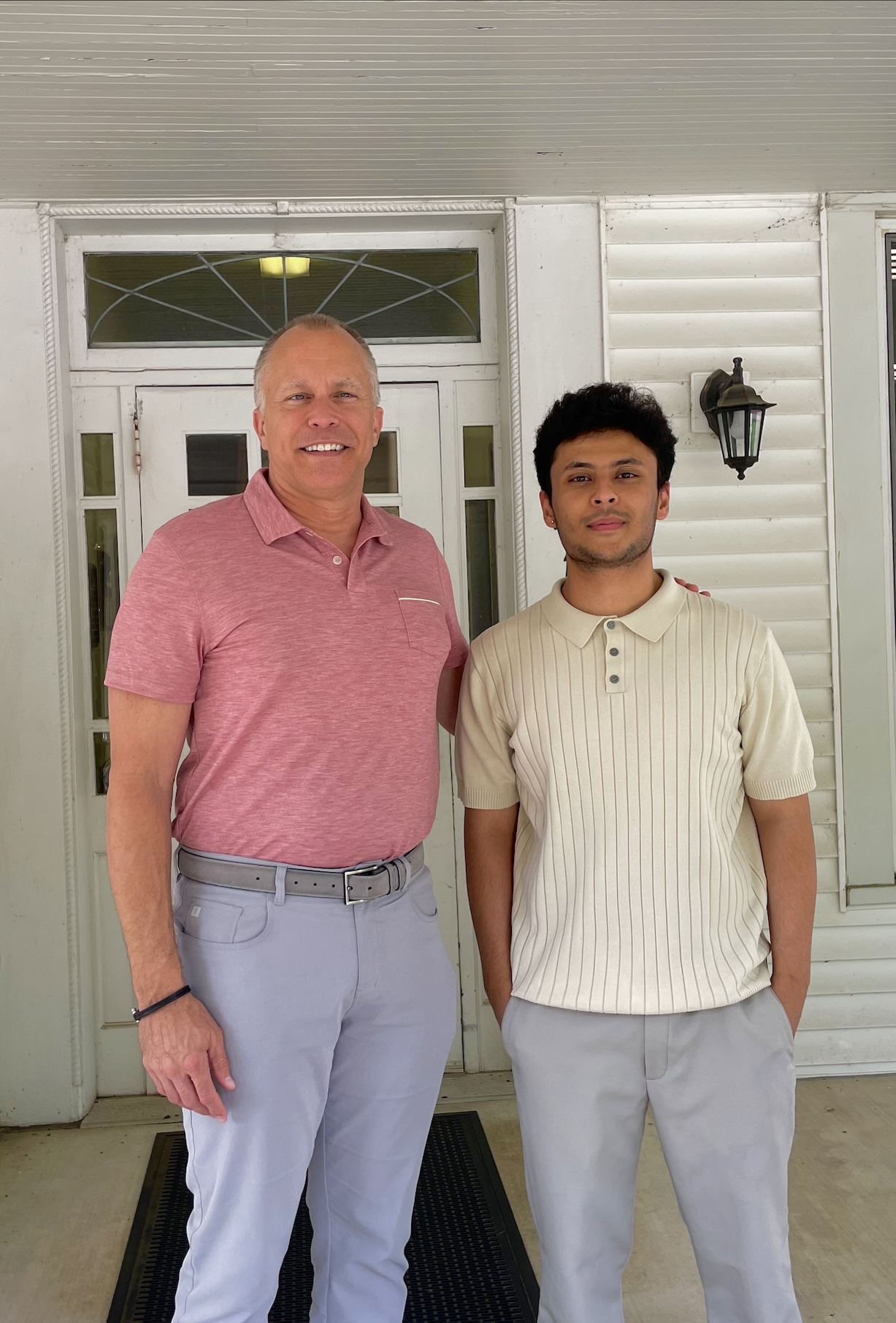
I am especially grateful to my supervisor, Ron Dostal, who encouraged me to think critically, work independently, and always ask “what’s next?” His mentorship helped me grow both professionally and personally. I would also like to thank the Wabash Club of Indianapolis for sponsoring this experience, the Advancement team for welcoming me, and Wabash for making opportunities like this possible. This summer not only strengthened my technical skills but also deepened my appreciation for the role alumni play in Wabash’s mission. I look forward to carrying these lessons with me into future projects and my career in data and technology .
