
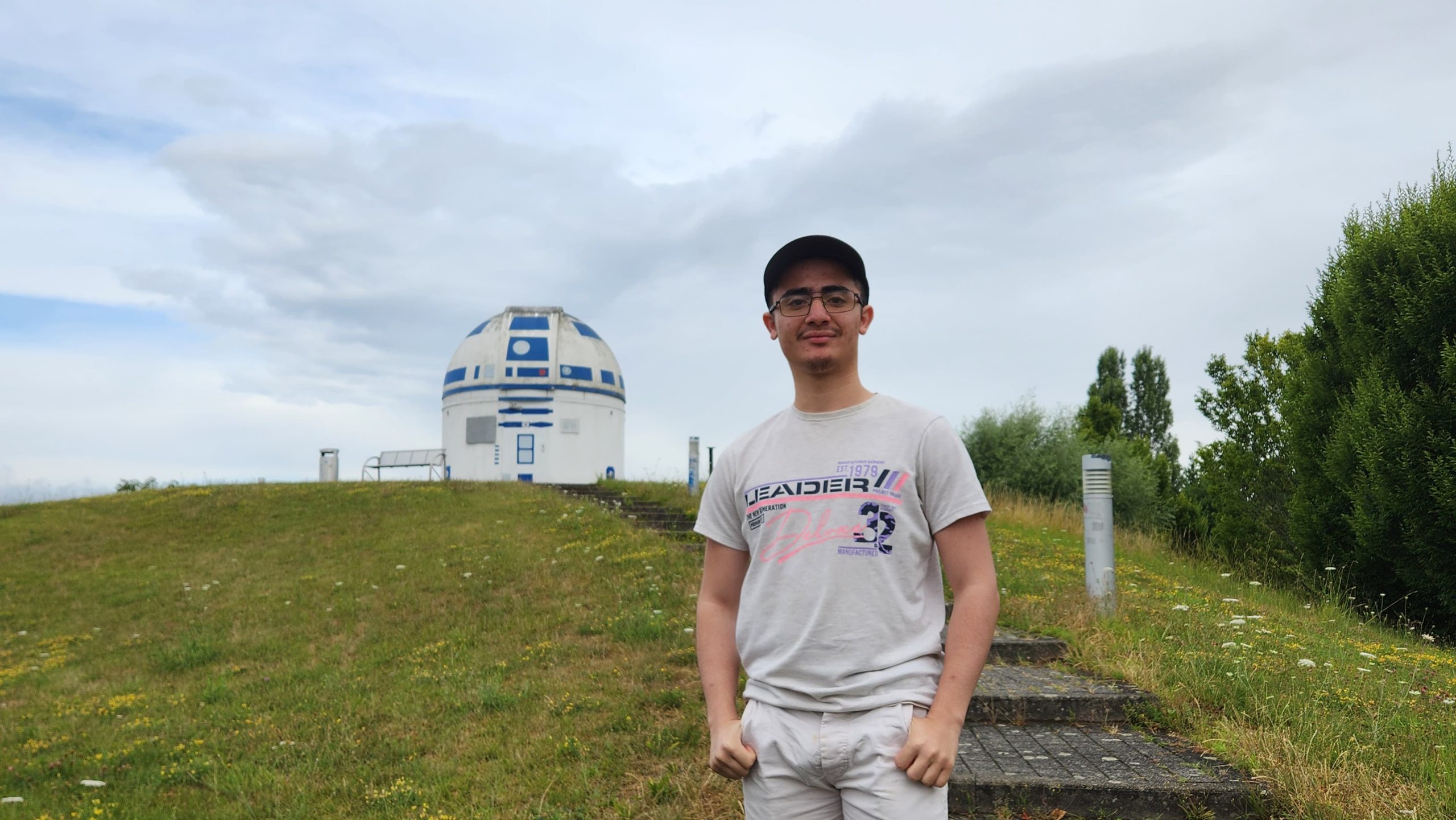
This summer, with the kind sponsorship of the Dill Fund of Wabash College, I interned in the Zweibrücken Campus of the University of Applied Sciences Kaiserslautern in Germany under the DAAD RISE program under the guidance of Prof. Hendrik Speck. My responsibility in this internship was the creation of a virtual world in the Unity game engine through an AI-based procedural generation pipeline, which converted real-world maps and height information into simulation-based immersive environments.
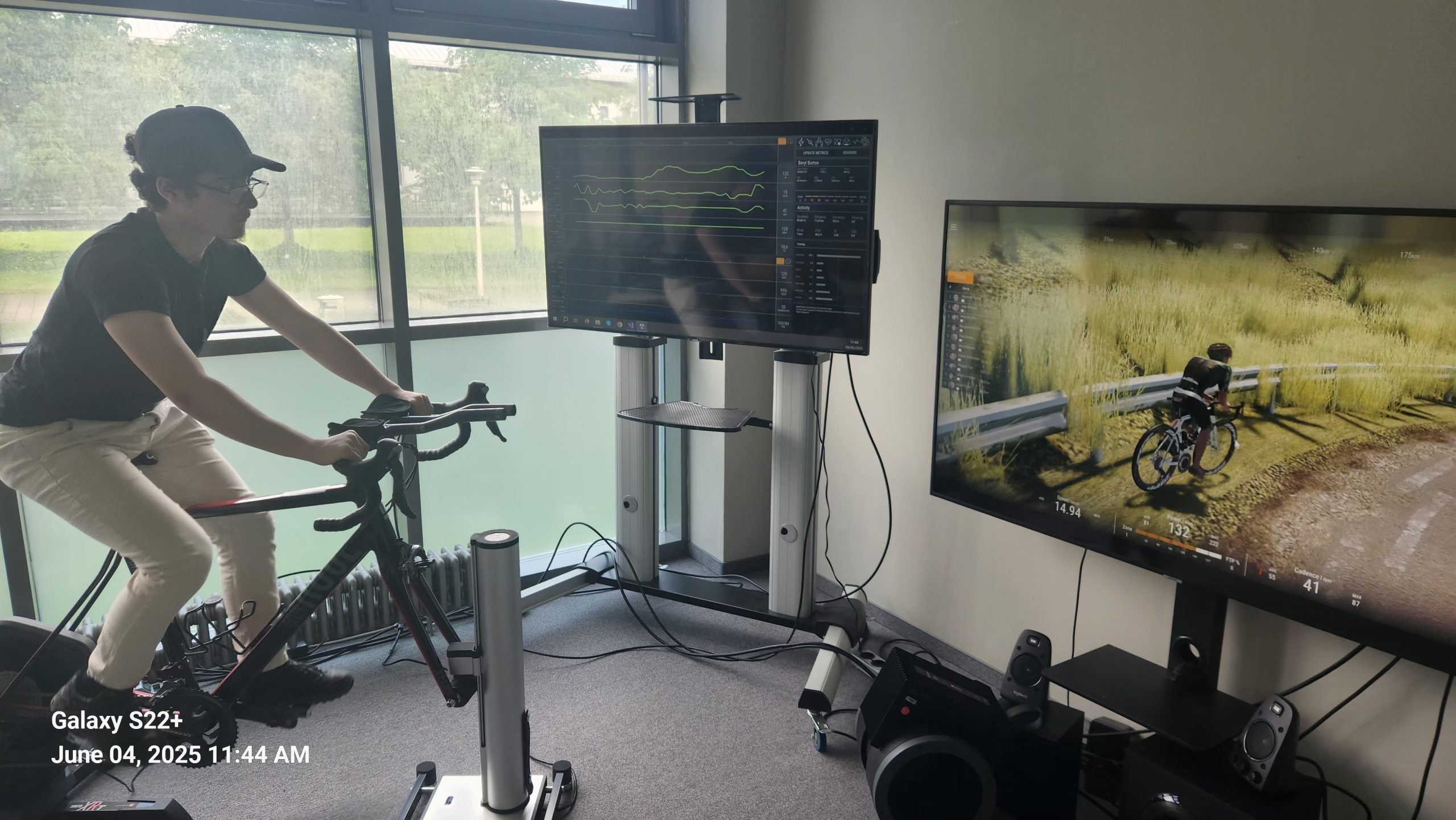
During the internship, I employed the OpenStreetMap datasets, the sat images, and the elevation models digitally to create natural and natural and man-made feature-based environments with natural and terrain features and with structures and obstructions. Most of the workflow for the internship resided in Houdini, a procedural modeling software used by big animation and game dev companies, so I could create very highly detailed and optimised terrains and landscapes. At the same time, I leveraged my experience and knowledge of the game engine Unity, and the outcome was environments that were not only aesthetically nice but also computationally possible.
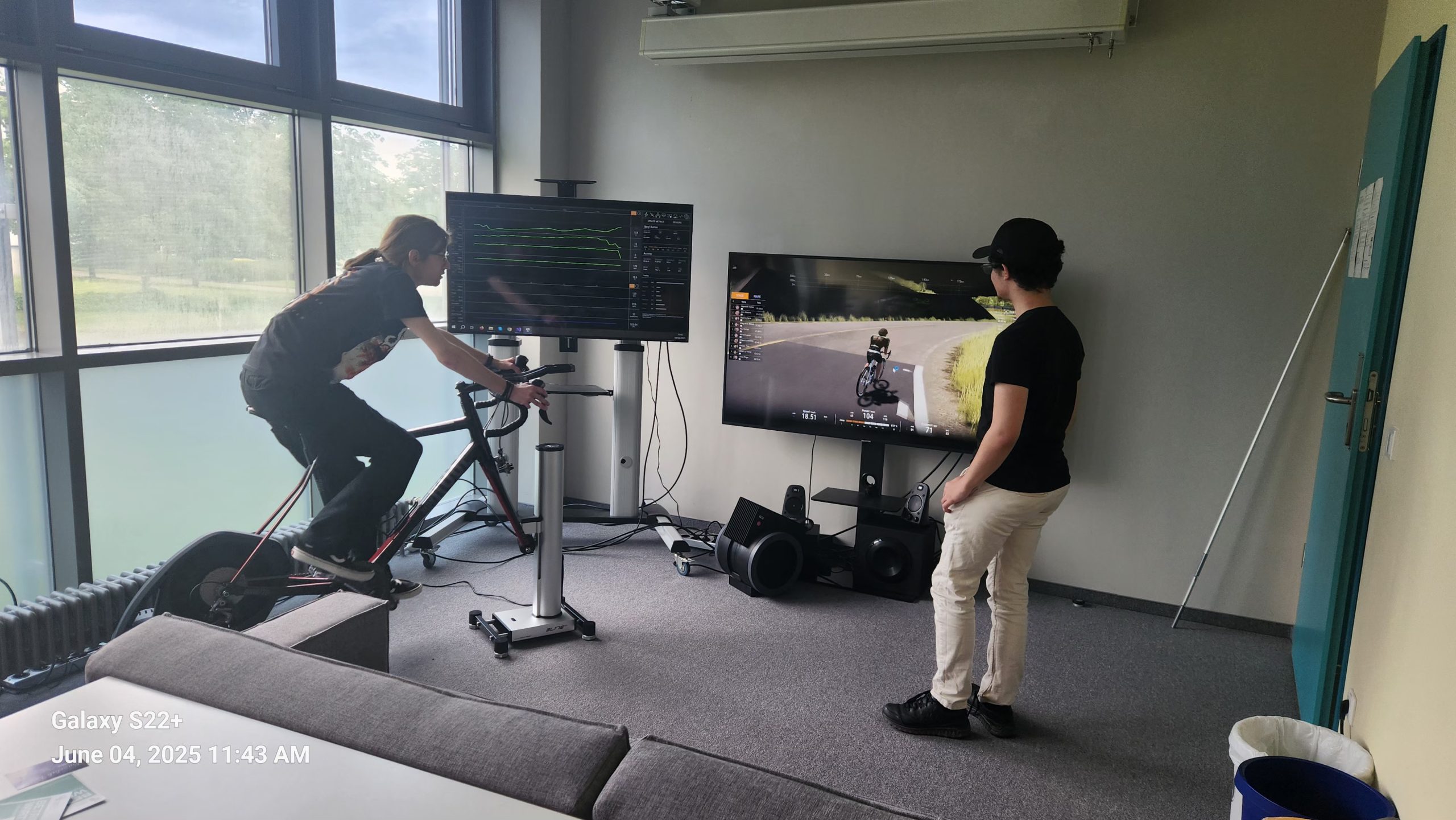
Beyond the technical accomplishments, this internship deepened my appreciation for interdisciplinary collaboration. Working alongside an international team of researchers, I learned to communicate complex ideas effectively across different academic and cultural backgrounds. These experiences directly complemented my studies as a Mathematics major with minors in Computer Science and Film & Digital Media, reinforcing my long-term goal of pursuing graduate studies in Human-Computer Interaction or in a field combining CS and mathematics.
Perhaps most importantly, however, was that it made an impression on my own thoughts about Germany as a destination for graduate study. I was attracted not merely to the scholarly seriousness and cutting-edge research environment, but to the quality of life, neighborhood character. With Germany’s excellent system of public transportation linking the country, I was also able to make it to successive waves of friends in Saarland University and in Otto von Guericke University Magdeburg, and get an even wider perspective on academic life in Germany. I am seriously considering returning to Germany to pursue my graduate studies.
I wish to offer sincere thanks to our Fellowship Advisor, Susan E. Albrecht, for helping me secure this experience. I am also in debt to Dr. Chad Westphal for the support and encouragement he provided during the application process. Naturally, I am also extremely grateful for the mentorship and the chance to work in the research group of Prof. Speck. The experience in this internship has provided me with a turning point in my academic journey, with the combination of the technical knowledge and the world perspective of things on which the future of my profession shall be established.

