
by Bryce Poling ‘26 and William Lyons ‘26
When we arrived at the Lagoon of the Miracles, it didn’t feel like a tourist site. It felt like someone’s backyard, someone who really cared about it. Señor Bitellio, a local farmer and healer, greeted us. His father came to this land in the 1950s, bringing with him traditional knowledge of plants and ayahuasca. Since then, their family has protected over 200 hectares of land, turning it into a space for both healing and learning.
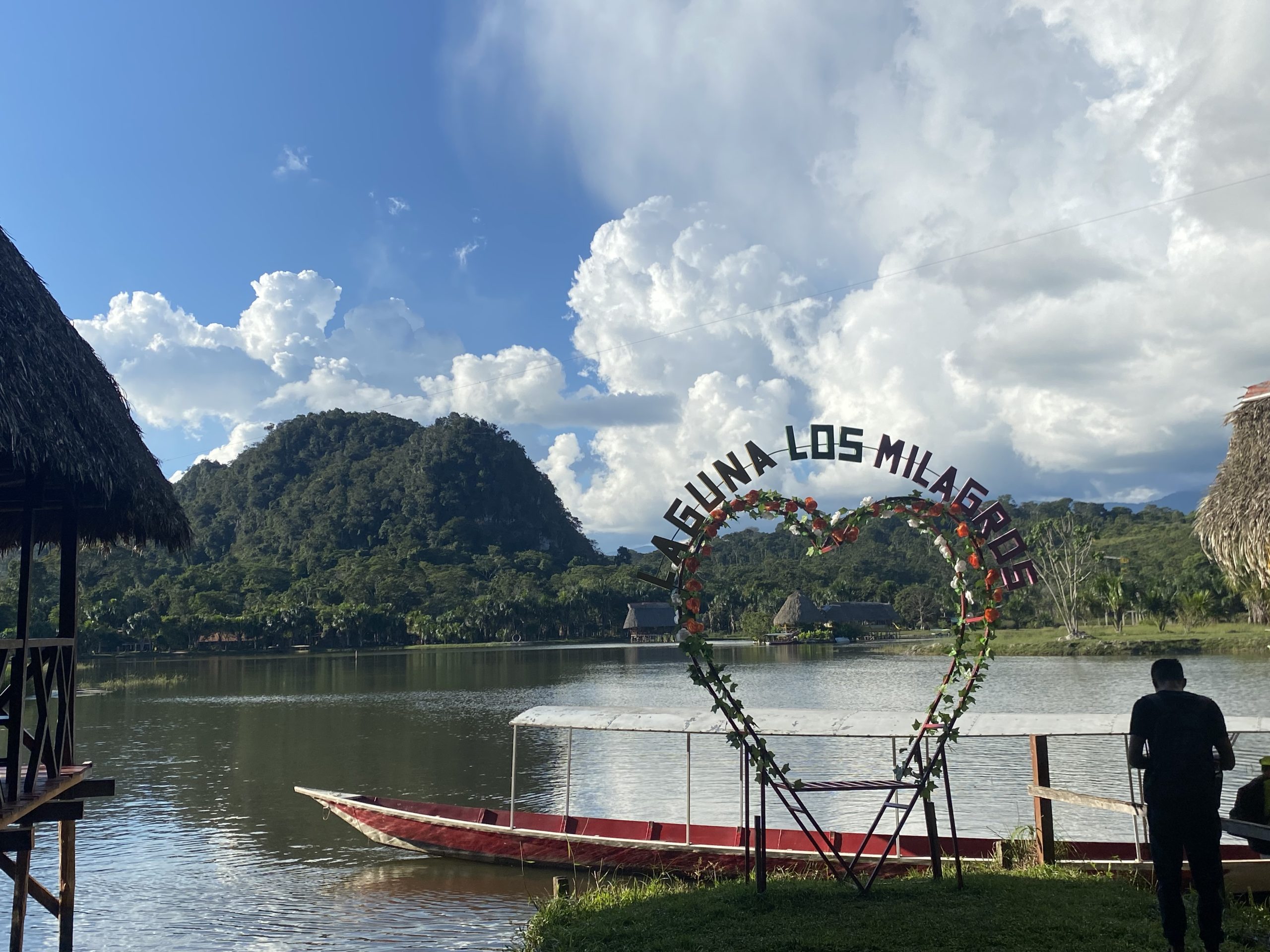
We started walking along what he called the “Ancestral Route.” It led us through a variety of microclimates, including sunny patches, cool shaded areas, and wetlands by the creek. Along the way, we passed plants like yusa, which ayahuasca masters use to either induce vomiting or help with childbirth. Bathing in yusa is said to align your nerves. It was interesting hearing how these plants serve such specific, spiritual purposes.
Bitellio showed us a replica of a traditional kitchen. He called the forest a supermarket, which made sense once we saw all the fruit trees. Some fruits were used to carry water, while others were fermented into drinks called pattis, which people still use in ceremonies of friendship today. Ceramics and cooking pots made from clay also came from this area; they weren’t just tools, but art.
The most impactful part of the route was learning about ayahuasca. Bitellio walked us through how it’s prepared, harvested early in the morning with small vines, leaves removed, chopped, and cooked for ten hours. You also need chakruna, which grows near creek beds and must be harvested with the same level of care. His dad used to ask the sun and stars for permission before touching any of them. That level of respect stuck with us. They even drink a small amount during preparation to connect with the process, and store the final mixture in holes in the earth or cool caves to preserve it.

Later, we saw the massive Oje tree. Its resin is mixed with orange juice and taken at 6 a.m. to treat parasites and clean out the body. However, it only works if you follow a strict diet, avoiding pork and fat. If you break the diet, you’ll get sick. There’s a whole spiritual regimen behind it that’s passed down by herbal masters.
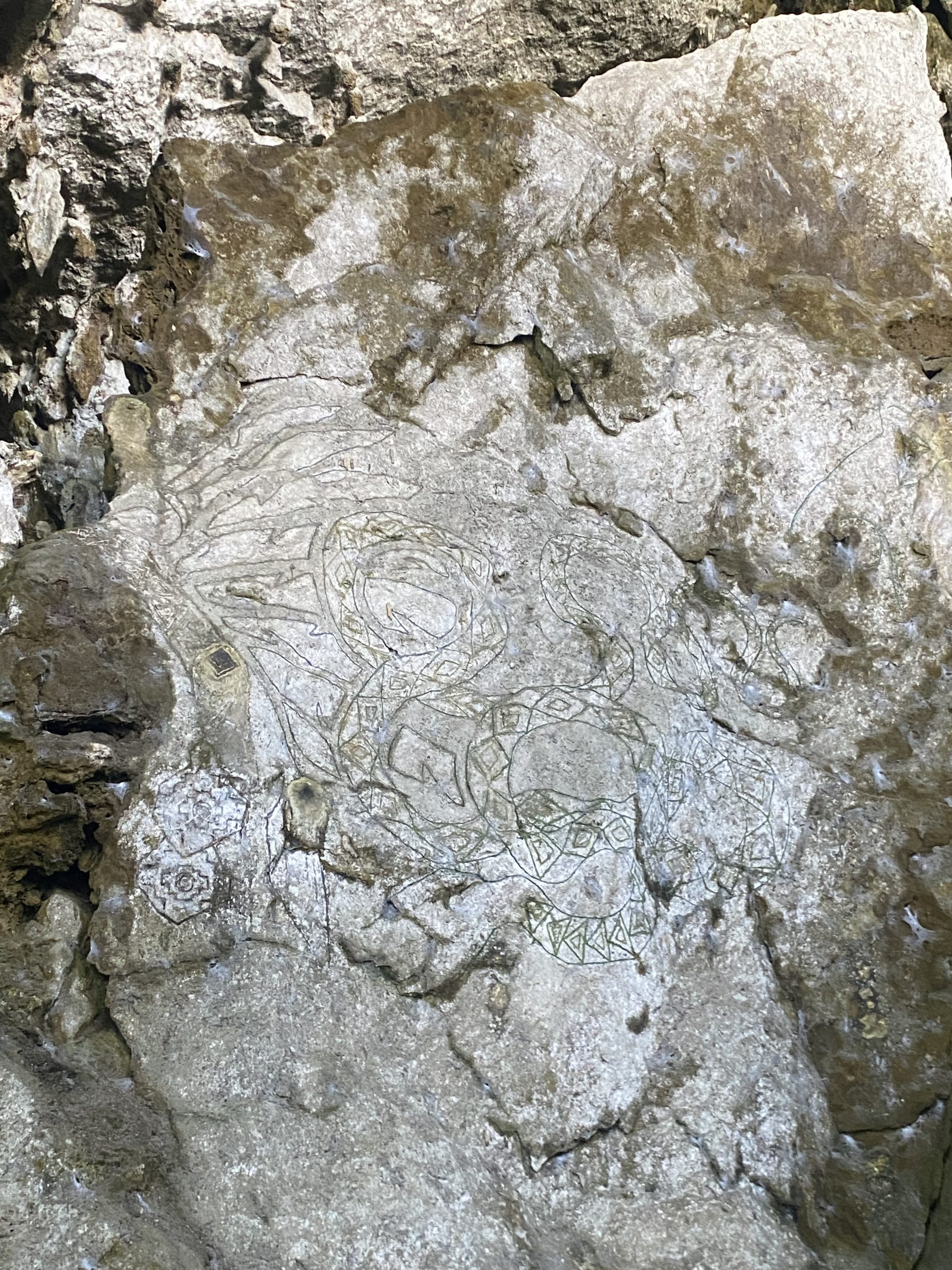
At the ceremonial site, Bitellio pointed to a serpent carved into a rock wall. Though it was added recently, the serpent is an ancient symbol in Amazonian traditions, representing water, fertility, and transformation. He explained that in their worldview, red symbolizes blood and strength, while black represents balance and mystery. Ayahuasca, in their view, helps bring those forces into alignment. This trip gave us a glimpse into how deeply the forest is tied to identity and spirituality here. It’s not just nature, it’s sacred.
We would also like to thank Dr. Wetzel, Dr. Sorensen, and Dr. Novak for establishing a great partnership with GHI Peru and giving us the ability to appreciate the different culture of Peru.
